Introduction
When it involves residence improvement, flooring is oftentimes one of the vital first things owners be aware. Whether you are upgrading your modern floors or setting up a specific thing fullyyt new, identifying the true ground can dramatically swap the glance and really feel of your space. But what should you want to handle this undertaking yourself? Well, worry now not! We've accumulated some educated DIY setting up guidelines from specialists at a floor supplier in Denver to guide publication you by means of the manner. From determining the correct components to making certain acceptable install techniques, we've got obtained you protected.
DIY Installation Tips from Experts at a Flooring Company in Denver
Installing your very own ground is usually a moneymaking enjoy, but it is primary to go into it with the suitable information. Here are some beneficial pointers so as to save you time, money, and frustration in the course of your DIY travel.
1. Choose the Right Flooring Material for Your Needs
Before diving into deploy, have in mind what type of flooring fits your culture prime. Are you seeking anything sturdy for high-site visitors places? Or per chance anything sublime for a proper dwelling room? Here’s a swift rundown of familiar features:
- Hardwood: Timeless and conventional, hardwood grants warm temperature yet calls for protection. Laminate: A charge-victorious alternative that simulates timber with no the hefty fee tag. Vinyl: Water-resistant and flexible; quality for kitchens and lavatories. Carpet: Offers alleviation and heat however may additionally require greater cleaning.
Why Choosing the Right Material Matters
Selecting the correct drapery isn't always with reference to aesthetics; it's also about practicality. For instance, households with pets may perhaps choose to dodge hardwood with the aid of scratching. Similarly, if you happen to're setting up in a moisture-prosperous atmosphere like a loo or basement, vinyl probably more accurate.
2. Measure Twice, Cut Once
One of the golden law of DIY tasks is making sure correct measurements. Here's how one can do it conveniently:
Use a tape degree for precision. Measure each and every room's dimensions separately. Account for any irregularities like alcoves or fixed capabilities (e.g., radiators).Tips on Making Accurate Measurements
Always take into accout so as to add further square pictures for waste—in general around 10%. This allows cover error or miscalculations all the way through deploy.
3. Prepare Your Subfloor Properly
The subfloor is crucial as it helps your new floors subject material. Follow those steps to train it:
- Clean any debris or dirt effectively. Check for moisture trouble the use of a moisture meter. Repair any broken components with patches or leveling compounds.
Why Subfloor Preparation is Key
A nicely-prepared subfloor ensures bigger adhesion and reduces long run troubles like buckling or warping.
4. Gather Essential Tools Before You Start
Having the perfect tools at hand can make the complete https://israelclwa719.trexgame.net/the-future-of-flooring-innovations-from-top-companies-in-denver big difference in your install method. Consider collecting:
- Utility knife Tape measure Level Trowel Hammer Pull bar
Tool Checklist Table
| Tool | Purpose | |------------------|--------------------------------------------| | Utility Knife | Cutting fabrics | | Tape Measure | Accurate measurements | | Level | Ensuring even installations | | Trowel | Spreading adhesive | | Hammer | Tapping planks into place | | Pull Bar | Tightening seams among planks |
5. Acclimate Your Flooring Materials
Did you know that many floor kinds need acclimation ahead of installing? This step is critical for preventing expansion and contraction afterward.
How to Acclimate Your Flooring Materials
Open packing containers of floors and lay them flat within the room the place they can be established. Leave them there for forty eight hours (at the very least) to conform to temperature and humidity stages.6. Start with a Dry Fit
Before committing anything completely, perform a dry match by using laying out planks with no adhesive or nails to visualize how they’ll seem on your space.
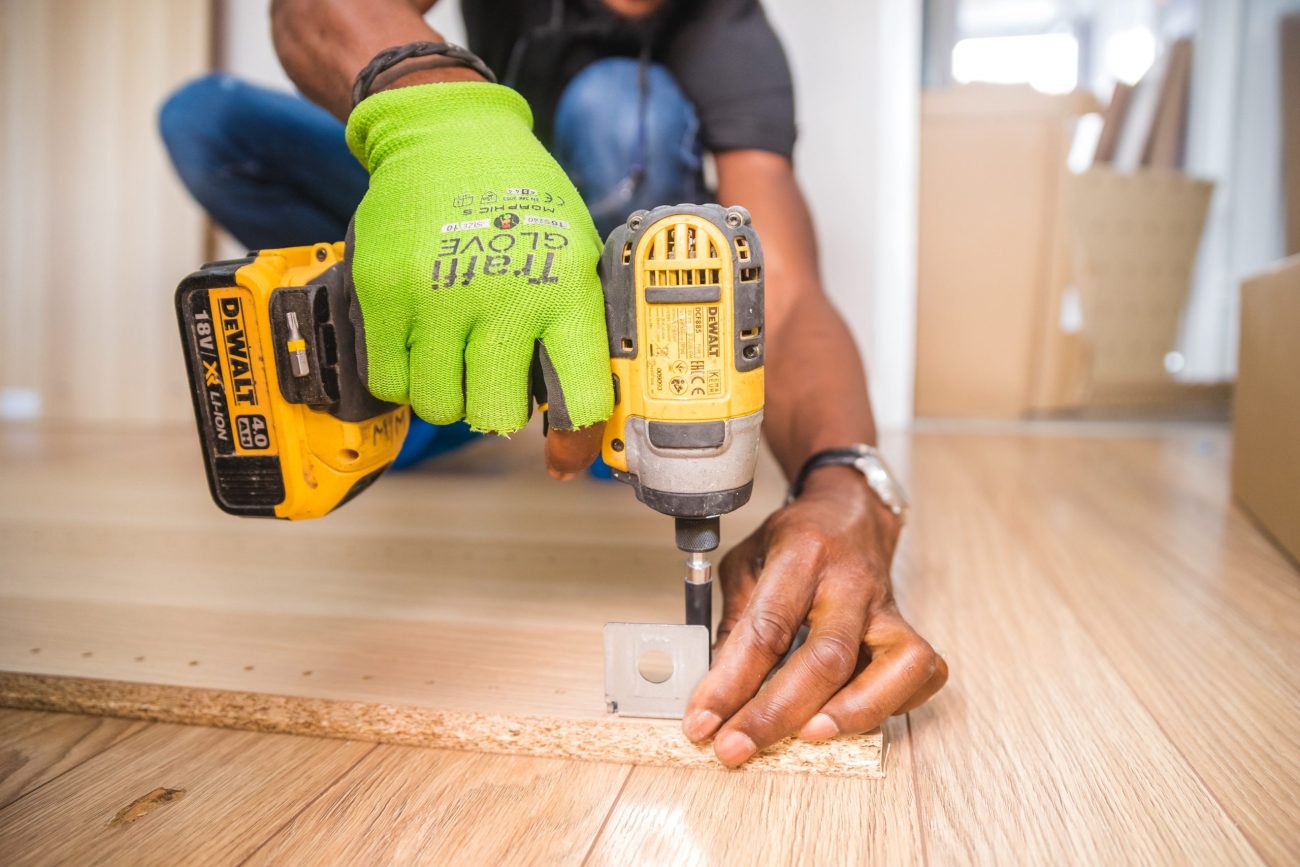
Benefits of Dry Fitting Your Floorboards
This exercise is helping determine skill problems like shade mismatches or awkward cuts forward of time.
7. Follow Manufacturer Guidelines Closely
Every floor textile comes with targeted checklist concerning install tips and requisites; following these can forestall high priced error.
Where Can You Find These Guidelines?
You ought to discover corporation classes in general integrated in packaging or attainable online through their reliable site.
eight. Use Quality Adhesives Where Necessary
If you might be operating with glue-down merchandise like vinyl flooring, invest in high-quality adhesives that match your selected material fashion.
What Happens If You Skimp on Adhesives?
Using inferior adhesives can result in lifting edges or tiles no longer adhering correct over the years—in reality now not greatest!
nine. Pay Attention to Environmental Factors During Installation
Temperature and humidity degrees can greatly influence how your flooring installs—preferably, purpose for managed circumstances (70°F and 40%-60% relative humidity).
Why Is This Important?
Extreme temperatures can cause elements to warp while putting in them improperly should lead down an undesirable rabbit hole of restoration work later!
10. Focus on Seam Alignment & Consistency Throughout Installation
To achieve that fascinating aesthetic end anyone goals about requires aligning seams appropriately which results in blank transitions among planks!
Tips on Seam Alignment:
Use spacers along edges right through installations making certain good enough enlargement area at some point of each area. 2 Ensure planks staggered %%!%%6b9dad25-third-47c8-b09a-8f6da30babd5%%!%% throughout rooms rather than going for walks immediately alongside walls always!FAQs: Frequently Asked Questions
Q1: What’s the well suited type of floors for buildings with pets?
For properties with pets, laminate and vinyl are first-rate alternatives as they may be scratch-resistant and undemanding to refreshing.
Q2: How long does it take to put in floor myself?
Time varies dependent on dimension yet sometimes anticipate everywhere from at some point up until several days depending on complexity.
Q3: Can I deploy laminate over existing carpet?
No! Laminate deserve to regularly be mounted over hard surfaces akin to concrete subfloors or plywood.
Q4: What's included in most DIY floor kits?
Most kits embody planks/panels plus underlayment; check specifics ahead of procuring.
Q5: Should I appoint pros if I'm uncertain about my talents?
If you feel hesitant about tackling this alone—it’s wise searching for official aid as a substitute!
Q6: Where can I discover depended on providers close to me in Denver?
Look up local listings online; many legitimate outlets provide products starting from price range-friendly alternatives all method luxurious options!
Conclusion
Embarking on a DIY ground venture can seem to be daunting first and foremost look—however armed with proficient counsel from gurus at a floor supplier in Denver coupled with careful making plans—you’ll be effectively-in a position for luck! Remember constantly prioritize guidance along following guidance closely at the same time keeping defense measures true-of-brain too! So roll up the ones sleeves since soon enough you'll be able to have appealing new floors gracing each and every corner of your own home!
In summary, no matter if you’re touring a native floor store in Denver, finding out selections at various floor showrooms, or looking by using ground warehouses, being proficient leads in direction of making informed decisions paving method in opposition t effective installations reworking homes fantastically!